MENU Equipment Drinkers Cup DrinkerSystems


Drum Kits

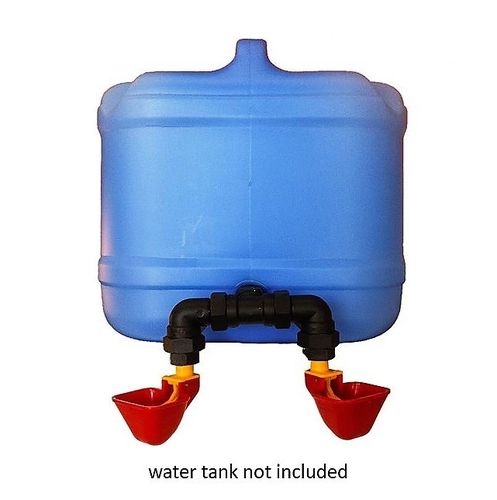
Drum Kits

Using low cost poly drums to make effective drinker systems using Lubing cup drinkers
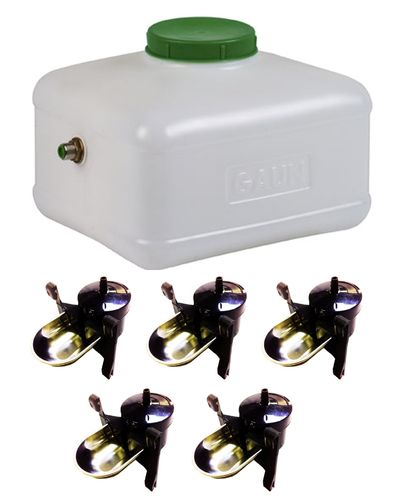
Float Tank Kits

Float Tank Kits

Making automatic mains pressure drinkers systems with Lubing cups and header tanks
Regulator Kits

Regulator Kits

Using MPR pressure regulators to provide a permanent water system with cups and nipples
Other Kits

Other Kits

Ideas for drinkers systems for cages, brooder, floor birds, free range

COMBINATIONS OF DRINKERS TO MAKE SYSTEMS

new combinations added 20-05-2011

Making up systems to suit your requirements.


Designing a system to suit your particular needs can be a challenge. After all there are literally dozens of different parts and systems out there. We are often asked the question, "So which suits me?"
This page is an attempt to show some of the combinations which can assist in different ways of getting reliable water to your birds. Remember the golden rule of drinkers "Break the rules and sooner or later it will bite you". Sounds a bit like life in general, you might get away with a bent rule for a while but then it bites. So what are the rules of drinkers.

1/ Always obey the manufacturers specifications, mainly in water pressure.
2/ Keep drinker lines as straight as possible.
3/ Keep drinker lines as level as possible, perhaps with a slight downward angle from beginning to end of the line.
4/ Keep drinkers as high as possible away from floors particularly litter floors.
5/ Always use clean water. A little Cloramine T in the water will keep it sparkling and pure. 6/ Water use. Layer birds will consume .25 to.35 litres of water per day each.

LUBING CUP DRINKERS
Quality German Lubing cups and nipples have been the standard in the poultry industry for many years. Do not settle for inferior copies.
The Lubing cups are used in many poultry farms. They provide a clean effective way to provide water for small groups of poultry. They are suitable for chickens, adult quail, pheasant, partridge, guinea fowl, pigeons. However they are not suited to waterfowl.

Two different cups are used.

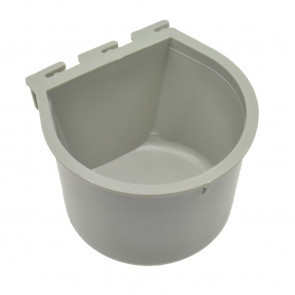
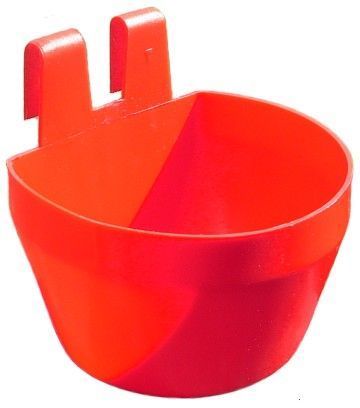
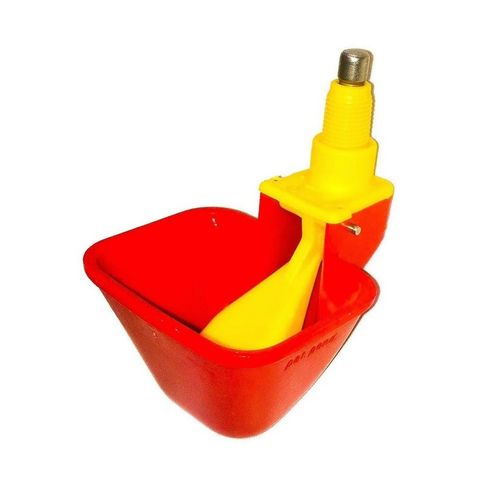
The 4007 cup is a combi cup and has a floater which provides a small amount (about 3mm depth) of water in the cup. This is excellent as an attraction to the poultry as they can smell the water in the cup. The cups are not intended to be full. Ideal for chicks right through to adult birds.

The 4009 cup is a trigger cup which relies on the birds pressing the trigger to get water. The cups will often dry right out with no water left in the cup. These cups have a higher flow rate than the 4007 and may be better for adult birds in hot climates. They also have better access for birds with larger combs.

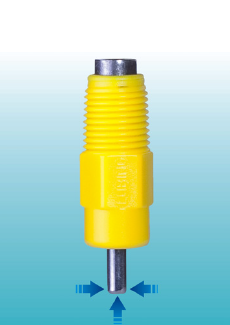
Why should I use a cup instead of a nipple? Nipples are used extensively with poultry but have the unfortunate side effect that they allow about 20% of the water to fall onto the ground under the nipple. If they are used in standard deep litter houses the area under the nipple will become wet. This is unhealthy for the birds and so is not recommended. In commercial poultry they are used with a tray to catch the drips, not so easy to use in hobby facilities. If the nipples are to be used outdoors, then they can be moved often and the wet spot is of less significance.

Allow .35 to.45 litres of water per bird per day using nipples.

Waterfowl.

Nipples are used extensively with waterfowl and are an excellent item, providing continuos clean water. When placed high above the bird, the waterfowl will play with the nipples and allow water to flow over the eyes, which is excellent. However our advice with waterfowl is; Ensure the nipples are over a drain, and connected to a continuous water source as the waterfowl are notorious for high water use. Running out of water with waterfowl is not good.

Nipples can be connected in any of the systems shown for cup drinkers.

Nipples and cups are designed to operate from very low water pressures. The maximum height of the top of the nipple or cup tp the top of the water source is 300mm ( called the water head). So a cup can be used in any water container as long as the top of the container is no more than 300mm above the cup. If the water is higher than this the cup float action does not work properly and the nipples wear out faster, and have a high tendency to leak.

The mounting holes for LUBING nipples and cups must be the correct size and the holes must be round or they will not seal. The right size is 9mm.

STARTING THE BIRDS OFF ON CUPS AND NIPPLES

If you birds have never used cups before, then the first time the birds use the cups, place your finger on the trigger or floater until the cup is full. Get one bird and dip the beak in the water. Then release the bird.

With nipples simply bump the nipple with the birds beak and allow the birds to find the water when thirsty.

HEIGHT OF CUPS AND NIPPLES

Nipples should be high enough so the bird needs to extend its neck to get to the water. This minimises losses from splash.

Cup lip should be between back and eye height of the birds. Start low and lift the height of the cup lip as the birds grow.

1/ USING A SOFT DRINK BOTTLE FOR CHICKS OR ADULTS
This is ideal in a brooder with 15 day old chicks per cup, or in a cage with one or two birds. Excellent method of recycling old bottles. Follow the link to "Making a Bottle drinker". Use any substantial container with thick enough base to allow a good thread to hold the cup. Uses 4007 cup for chicks and all poultry, with an option of the 4009 cup for large comb birds, or a 4025 nipple if wet litter is not a consideration. Also can be used with rabbits.     Click here for Nipple and Cup Installation Data Sheet

2/ USING A DRUM. DRINKER CUP KITS INCLUDE ALL PARTS NEEDED.


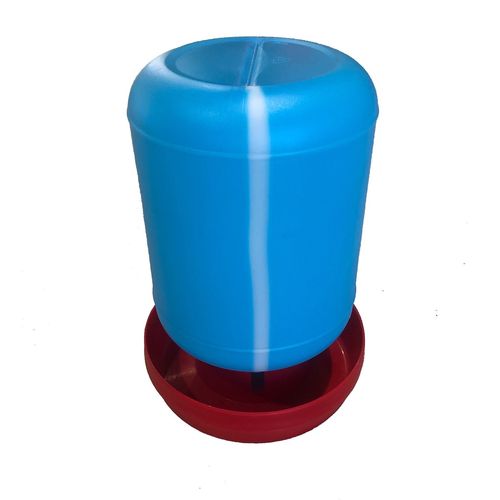
10, 15 and 20 litre drums are cheaply available often as a recycled item. Ensure the drum is clean and has no residues from its previous use. Check the drum has a threaded bung hole on the side. This has the right thread to match all the fittings listed. You may need to drill out the plastic at the back of the threaded hole. Then add the required fittings , and stand at a suitable height. The lip of the cup should be between back and eye height of the bird.
TIP
White drums are great as you can see how much water is still in the drum. But they do grow green stuff over time. A little Cloramine T in the water will keep it sparking and control the green stuff. Click here.
To clean the drums, a few handfuls of coarse gravel and a few handfuls of coarse sand, plus a teaspoon of laundry detergent, with a few litres of water and some vigorous shaking, followed by a good rinse. Drums will be like new.
BUT NOT IN THIS SIZE DRUM AS IT IS TOO TALL AND WILL NOT OPERATE CORRECTLY AND WILL HAVE A REDUCED LIFE. The manufacturer specifies a max of 300mm but 400mm is ok. 600mm is too much.